
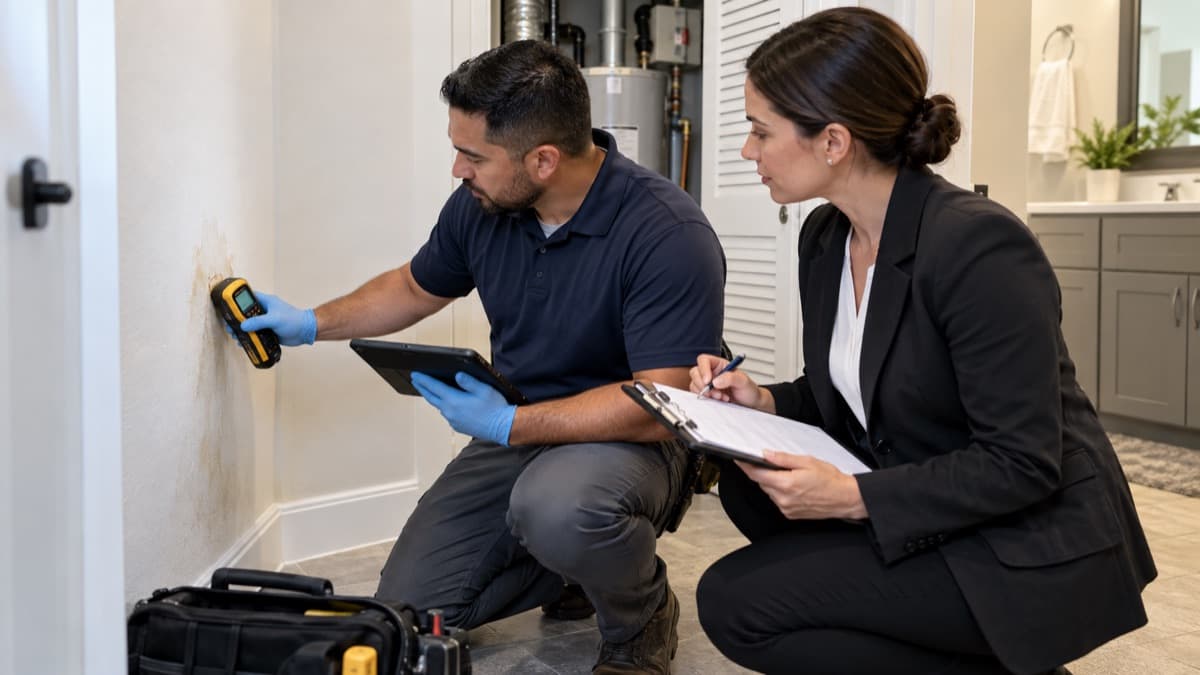
Hotel and multifamily maintenance teams are often the first people to hear about musty odors, recurring condensation, water stains, damp carpet, slow leaks, or visible growth. They may not be mold inspectors, and they may not be remediation contractors, but their early response can shape the entire outcome. A calm, consistent moisture check can help a property team document the concern, reduce avoidable delays, coordinate vendors, and communicate with residents or guests more professionally.
The training need is practical. Maintenance and front office staff do not need exaggerated claims or scare tactics. They need to understand what mold needs to grow, why moisture control matters, what to record, when to escalate, and how to avoid promising conclusions they are not qualified to make.
Moldtraining.us courses are designed around that kind of workplace readiness, with certificates of completion and standards-aligned content for property teams and inspectors.
Why Moisture Checks Matter in Occupied Buildings
Hotels and multifamily properties have repeated water sources: bathrooms, kitchens, laundry rooms, HVAC systems, roofs, balconies, windows, plumbing chases, utility closets, pools, and exterior drainage. A small leak in one room can become a recurring complaint if the underlying moisture source is not found. In occupied buildings, delays can also create communication problems because residents and guests expect clear next steps.
A moisture check is not the same as a full mold inspection. It is an early property response that helps staff gather facts. The team can look for active leaks, damp materials, condensation patterns, humidity concerns, staining, odors, ventilation problems, and maintenance history. When done consistently, this process helps managers decide whether in-house maintenance can correct a simple moisture source or whether a qualified inspector, remediation contractor, HVAC vendor, plumber, or environmental consultant should be contacted.
Documentation is especially important because mold concerns often involve multiple departments. A leasing agent receives the complaint. A maintenance worker visits the unit. A supervisor approves work. A vendor may be scheduled. A property manager communicates with the resident. Training gives those people a shared workflow so details do not disappear between handoffs.
What Maintenance Teams Should Document
- Date, time, location, room or unit number, and person receiving the concern.
- The reported issue, such as odor, staining, visible growth, water intrusion, condensation, or health-related concern without diagnosing health effects.
- Visible conditions observed during the visit, including photos where company policy allows.
- Moisture readings when staff are trained and the tool is appropriate for the material.
- Known recent events such as roof leaks, plumbing repairs, HVAC trouble, flooding, or window leaks.
- Immediate corrective actions, such as stopping a leak, drying wet materials, improving ventilation, or restricting access to a damaged area.
- Vendor referrals, resident communications, follow-up dates, and unresolved questions.
The record should stay factual. Staff should avoid writing conclusions such as safe, unsafe, toxic mold, or no problem if they have not performed a proper assessment. They can document what they saw, smelled, measured, repaired, and escalated. That distinction protects the resident relationship and helps the employer maintain a more reliable file.
Common Mistakes and Misconceptions
One common mistake is treating mold concerns as only a housekeeping issue. Cleaning may be appropriate for some small surface conditions, but if moisture remains, the issue can return.
Another mistake is jumping straight to remediation without understanding whether the water source has been corrected. Removal without moisture control is often incomplete from a property management perspective.
A second misconception is that a federal agency certifies every mold inspector or sets one universal airborne mold threshold for all buildings. In the United States, mold rules and professional requirements can vary by state and locality. EPA, OSHA, and CDC provide useful public health and workplace information, but property teams should verify applicable state and local requirements instead of inventing a federal certification claim.
A third mistake is letting different staff members use different language with residents or guests.
One person may say it is mildew, another may say it is mold, and another may promise testing.
Training helps teams communicate carefully: acknowledge the concern, explain the next step, document the condition, and escalate when the situation is beyond routine maintenance.
How Training Supports Better Property Response
Mold Prevention and Remediation Awareness Training can help general staff understand moisture, basic prevention, recognition of common concerns, and safe communication. Property Management Mold Training is especially relevant for managers, leasing staff, and maintenance supervisors who coordinate tenant complaints, documentation, vendor communication, and follow-up. Mold Inspector Certification Training is a deeper option for people who want inspector-level education aligned with IAC2 concepts and inspection practice.
Training does not guarantee a building will be free of mold, and it does not replace professional licensure where a state requires it. It does help employers create a more consistent baseline. Staff learn why moisture control is central, why prompt response matters, and why documentation should be specific. That can reduce confusion when complaints involve sensitive residents, insurance questions, vendor estimates, or repeat leaks.
For hotels, the training value includes faster internal triage. Staff can distinguish between a one- time spill, a recurring HVAC condensation pattern, a plumbing leak, and a broader moisture concern that needs management attention. For multifamily properties, training supports a more consistent tenant complaint process, especially across large teams or multiple sites.
Choose the Right Mold Training Course
For hotel and multifamily employers, the most relevant starting point is often Mold Prevention and Remediation Awareness Training for general staff or Property Management Mold Training for teams handling resident complaints and vendor coordination. Moldtraining.us provides online, self-paced courses with certificates of completion so teams can build a shared foundation without pulling everyone into a full-day classroom session.
FAQ
Do maintenance workers need to be certified mold inspectors?
Not always. Many maintenance workers need awareness training and a clear company procedure, not inspector-level duties. If a worker is expected to perform mold inspections or provide professional conclusions, the employer should review state and local requirements and choose deeper training.
Can staff tell a resident that a stain is not mold?
Staff should be careful with conclusions. Unless they are qualified and the situation has been properly assessed, it is usually better to document what is visible, explain the next step, and escalate when needed.
Is moisture documentation useful if a vendor will inspect later?
Yes. Early documentation helps the vendor understand timing, affected areas, leak history, repairs, and recurring patterns. It also helps managers track follow-up.
Does EPA certify mold inspectors?
EPA provides guidance on mold and moisture, but it does not certify mold inspectors. Professional requirements may vary by state or locality.
Which moldtraining.us course fits property teams?
Property Management Mold Training is designed for teams that handle complaints, documentation, and coordination. Awareness training can fit broader staff who need basic prevention and response knowledge.
Conclusion
Mold complaints become easier to manage when hotel and multifamily teams respond to moisture concerns with a consistent process. Training helps staff document facts, communicate carefully, correct obvious moisture sources, and know when to escalate. That practical readiness supports better service, better records, and more confident property management decisions.